Households & Communities
Over 2 million households transitioning from solid biomass to clean cooking fuels — reducing indoor air pollution, protecting women and children's health, and saving families time and money.
Overview
Household air pollution from cooking with solid fuels is responsible for approximately 60,000 premature deaths annually in Uttar Pradesh. Women spend 3-4 hours daily collecting fuel and cooking over open fires, while their families are exposed to dangerous indoor air quality. UPCAMPA's DLI 3 allocation of $51.07 million targets the transition of over 2 million households to clean cooking fuels. This represents the largest direct-to-household intervention in the entire program.
Households Targeted
Allocated under DLI 3
Reduction in Indoor PM2.5
Annual Premature Deaths Avoidable
The Challenge
Rural households in Uttar Pradesh, particularly those living below the poverty line (BPL), depend heavily on solid biomass fuels including dung cakes, wood, and crop residue for cooking. This reliance on traditional biomass fuels creates severe indoor air quality challenges that far exceed safe levels.
Health & Exposure Crisis
Indoor PM2.5 levels in households using solid fuels exceed World Health Organization limits by 10-20 times. Women and children face the highest exposure, spending extended periods in kitchens with smoke from open fires. This leads to chronic respiratory and cardiovascular diseases, particularly among women and young children.
Supply Chain Barriers
Limited LPG distribution infrastructure in remote areas creates bottlenecks in fuel supply. The last-mile connectivity gap means many rural households lack access to convenient, affordable clean cooking fuel options even when they are willing to switch.
Financial & Behavioral Barriers
Upfront costs for clean cookstoves and LPG connections represent significant financial barriers for BPL households. Additionally, deeply rooted cultural practices and behavioral patterns around traditional cooking methods create resistance to adopting cleaner technologies, even when the benefits are clear.
UPCAMPA Interventions
UPCAMPA addresses clean cooking adoption through a comprehensive, multi-layered approach combining financial incentives, infrastructure development, behavior change, and community engagement.
Financial Subsidies & Support
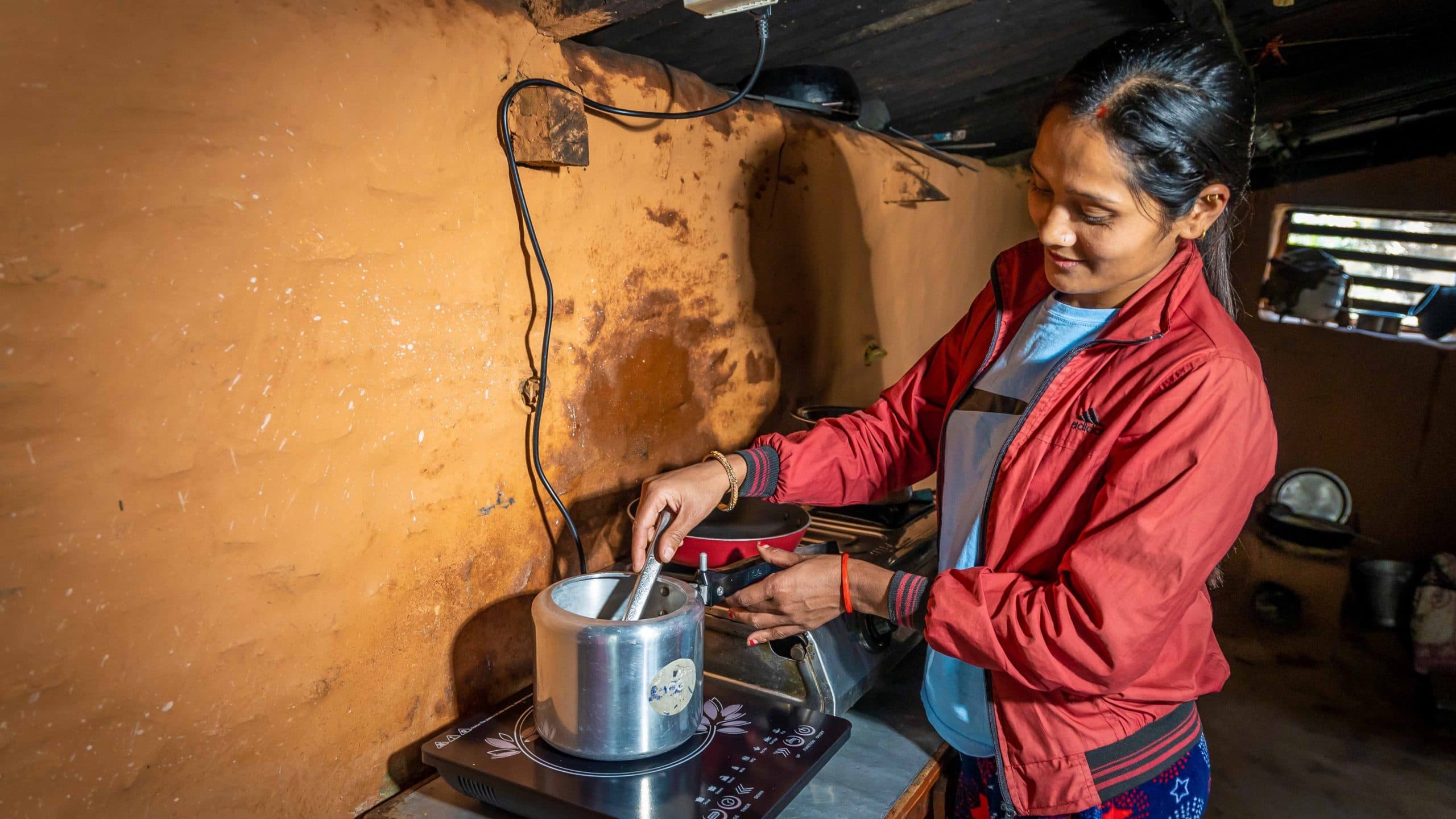
Direct subsidies for LPG and electric cookstove adoption reduce upfront financial barriers. Targeted support for BPL households and women-headed households ensures equitable access to clean cooking technologies.
Last-Mile Infrastructure Development
Investments in LPG distribution infrastructure in remote areas enhance fuel supply accessibility. Strengthened last-mile connectivity ensures reliable, continuous access to clean cooking fuels for rural households.
Behavior Change Communication
Strategic communication campaigns highlight health, economic, and environmental benefits of clean cooking. Evidence-based messaging addresses cultural concerns and builds awareness across target communities.
Women's Engagement & Empowerment
Women self-help groups (SHGs) serve as catalysts for adoption and maintenance of clean cooking technologies. SHG engagement ensures women have voice in technology selection and benefit from time and health gains.
Clean Cooking Enterprise Development
Support for clean cooking-related enterprises creates local economic opportunities. Entrepreneurs provide maintenance, distribution, and user support for clean cooking technologies in their communities.
Quality Assurance & Safety Standards
Rigorous quality assurance ensures cookstoves and LPG equipment meet safety standards. Training and certification programs for installers and maintenance technicians guarantee safe, proper deployment and operation.
Expected Impact
Clean cooking transitions will deliver transformative health, economic, and environmental outcomes across rural Uttar Pradesh communities.
Health Improvements
Significant reductions in respiratory and cardiovascular diseases among women and children. Improved maternal and child health outcomes, including reduced low birth weights and respiratory infections in infants.
Time Savings
Women will reclaim 3-4 hours daily previously spent on fuel collection and cooking over open fires. This time can be redirected toward income-generating activities, education, and community engagement.
Economic Savings
Households will save ₹2,000-5,000 annually through reduced fuel costs. Economic benefits also accrue from improved health outcomes and increased productivity from women's time savings.
Climate & Environmental Benefits
Substantial reductions in black carbon and other short-lived climate pollutant emissions. Decreased biomass burning reduces strain on local forest resources and contributes to national climate commitments.
Women's Empowerment
Women's self-help group engagement strengthens collective agency and financial inclusion. Leadership development and clean cooking enterprise opportunities enhance women's economic independence and decision-making power.
Eligibility & Access
UPCAMPA's household interventions prioritize the most vulnerable populations, ensuring equitable access to clean cooking technologies.
Priority Beneficiaries
Below-the-poverty-line (BPL) households receive priority support. Women-headed households are actively targeted to ensure inclusive participation and direct benefits to the most vulnerable populations.
LPG Connection Support
Households without existing LPG connections are eligible for subsidized connection installation. Both new enrollments and support through existing Ujjwala beneficiaries expand access to liquefied petroleum gas.
How to Access Support
Applications can be submitted through district-level UPCAMPA cells and gram panchayats (village councils). Local authorities guide eligible households through enrollment, subsidy application, and technology selection processes.
Next Steps
Contact your nearest UPCAMPA implementation partner or gram panchayat to inquire about eligibility and begin the enrollment process. Women's self-help groups in your area can also provide information and support for clean cooking adoption.
