City-Level Management
Led by: UPCAMPA Program
in collaboration with World Bank, Municipal Corporations, UPPCB
Supporting municipal authorities in developing comprehensive Clean Air Action Plans, strengthening urban governance capacity, and implementing city-level interventions across 10+ cities in Uttar Pradesh.
City-Level Management
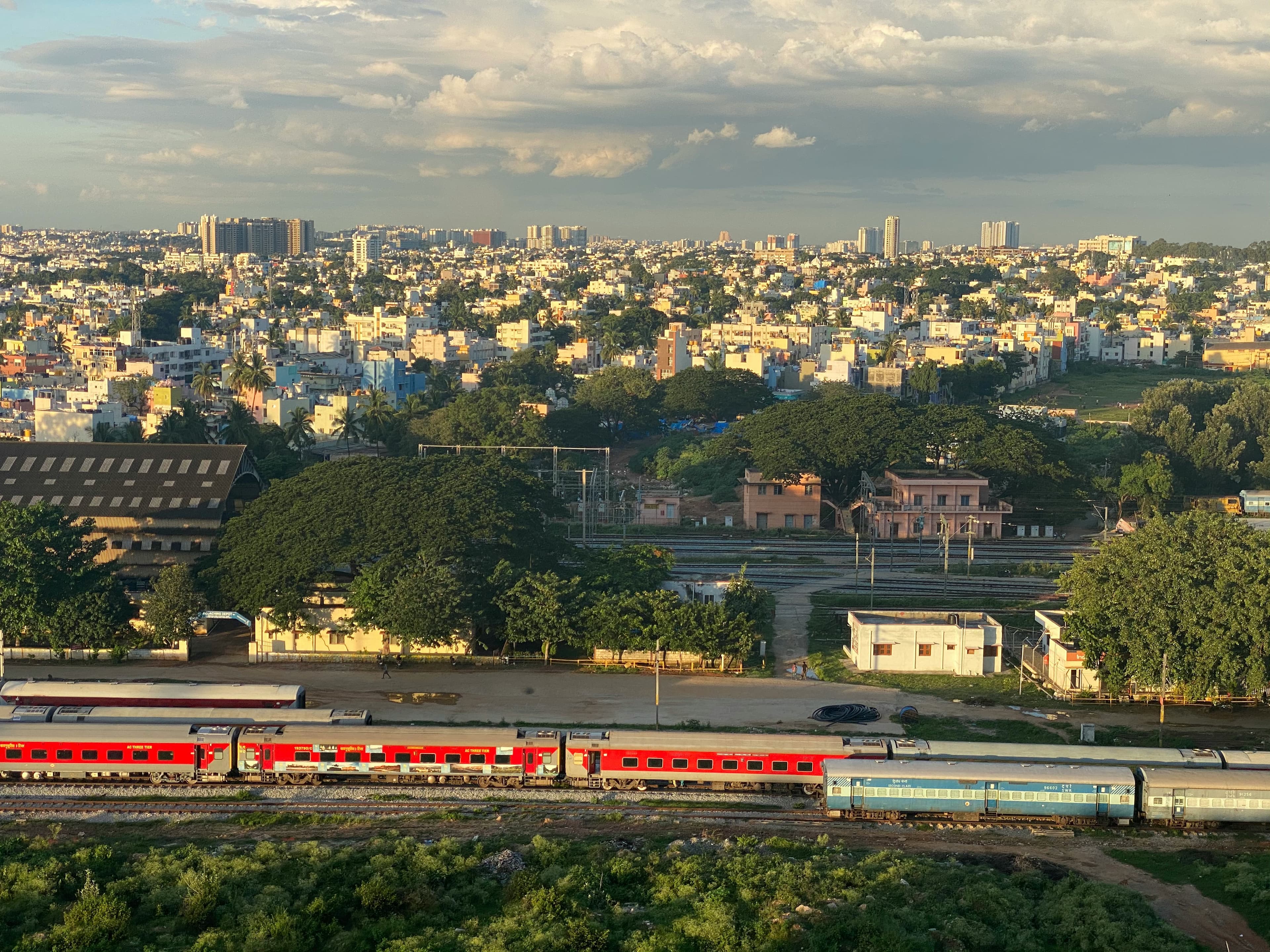
Cities are where air pollution impacts are felt most acutely, and where local governance can make the greatest difference. UPCAMPA supports municipal authorities in developing comprehensive Clean Air Action Plans, strengthening urban governance capacity, and implementing city-level interventions that complement the broader airshed management approach.
The program builds permanent institutional capacity within municipal corporations, establishing dedicated Air Quality Management Cells that outlast the project period and serve as anchors for clean air governance.
Municipal Clean Air Action Plans
Each target city develops a customized Clean Air Action Plan (CAAP) that identifies local emission sources, sets reduction targets, and defines time-bound interventions across transport, industry, construction, waste management, and dust control.
CAAPs are developed through participatory processes involving municipal corporations, pollution control boards, civil society, and technical institutions — ensuring plans are locally relevant and politically sustainable.
Strengthening Urban Governance Capacity
Municipal staff receive training in air quality management, emission monitoring, enforcement procedures, and data-driven decision-making. The program builds institutional capacity that outlasts the project period.
Cities establish Air Quality Management Cells within municipal corporations — dedicated teams responsible for implementing CAAPs, coordinating with state agencies, and reporting on air quality indicators. These cells serve as permanent institutional anchors for clean air governance.
.jpg&w=3840&q=75)
On-the-Ground Urban Measures
Beyond planning and governance, UPCAMPA supports direct city-level interventions: dust suppression on roads and construction sites, waste burning prevention, green belt development, and traffic management measures that reduce congestion-related emissions.
These measures deliver immediate, visible air quality improvements that build public support for the broader clean air mission while complementing the larger programmatic interventions in transport, cooking, agriculture, and industry.

Partners & Collaborators