Agriculture & Nitrogen Management
Led by: UPCAMPA Program
in collaboration with World Bank, KVKs, Agricultural Extension Services
Training 2.4 million farmers in 4R nutrient stewardship, ending crop residue burning through mechanized alternatives, and promoting sustainable livestock waste solutions across Uttar Pradesh.
Agriculture & Nitrogen Management
Agricultural emissions — from crop residue burning, excessive fertilizer use, and livestock waste — are a major source of PM2.5 precursors in the Indo-Gangetic Plain. UPCAMPA addresses these through 4R nutrient stewardship for 2.4 million farmers, crop residue management, and sustainable livestock waste solutions.
The program works with Krishi Vigyan Kendras, agricultural extension services, and farmer collectives to deliver practical knowledge and technology access to smallholder farmers across Uttar Pradesh.
4R Nutrient Stewardship
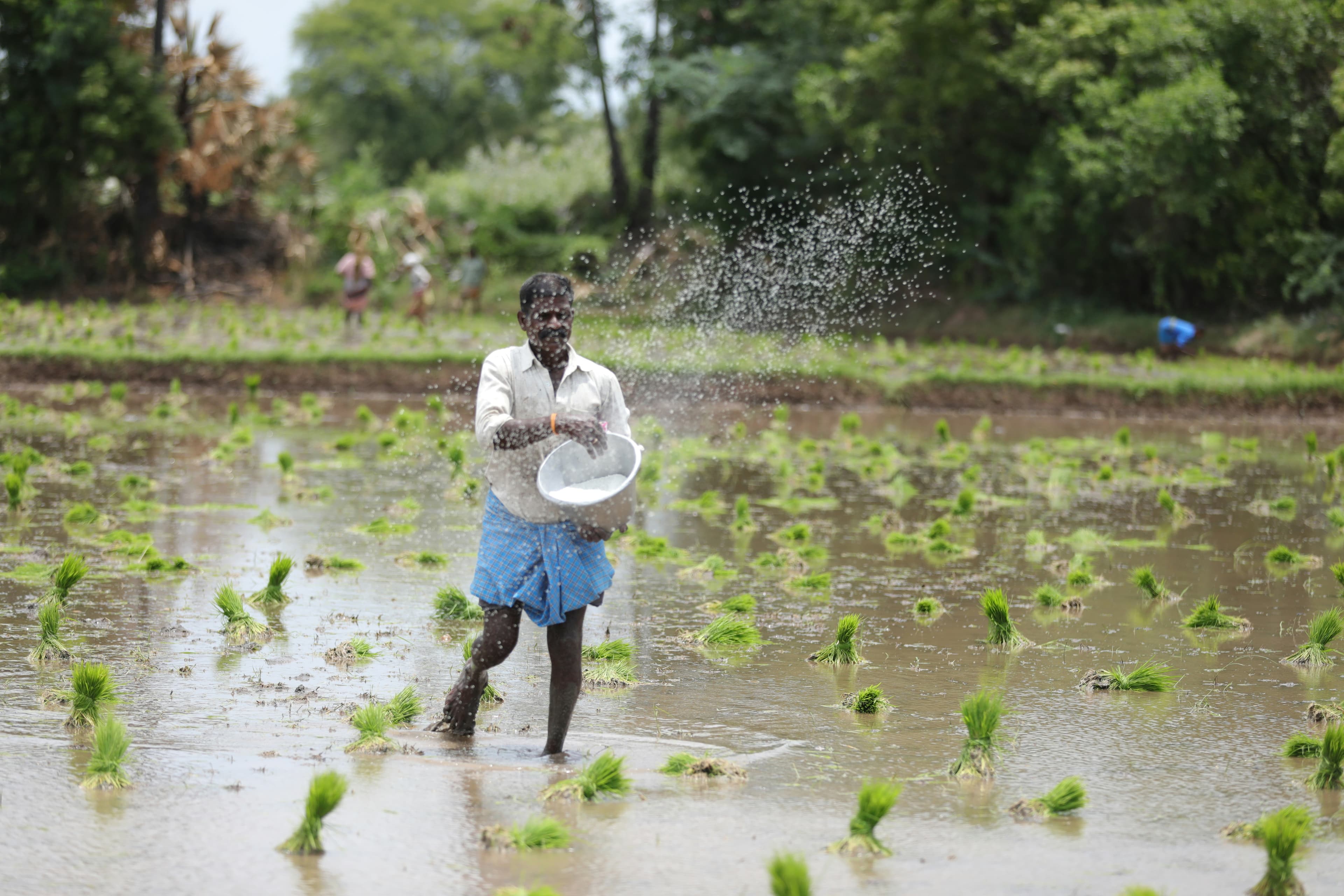
The 4R framework — Right Source, Right Rate, Right Time, Right Place — optimizes fertilizer application to reduce ammonia emissions that form secondary PM2.5 particles. This approach improves crop yields while cutting air pollution at the source.
Training is delivered through Krishi Vigyan Kendras, agricultural extension services, and farmer collectives, ensuring practical knowledge reaches smallholder farmers across UP. The program targets 2.4 million farmers for adoption of improved nutrient management practices.
Ending Crop Residue Burning
Crop stubble burning after harvest is a major seasonal contributor to air pollution across northern India. UPCAMPA promotes mechanized alternatives — happy seeders, mulchers, and balers — that allow farmers to manage residue without burning.
The program provides subsidized equipment access through Custom Hiring Centres, training on conservation agriculture techniques, and market linkages for crop residue as biomass fuel, compost, or industrial feedstock.

Sustainable Livestock Waste Solutions
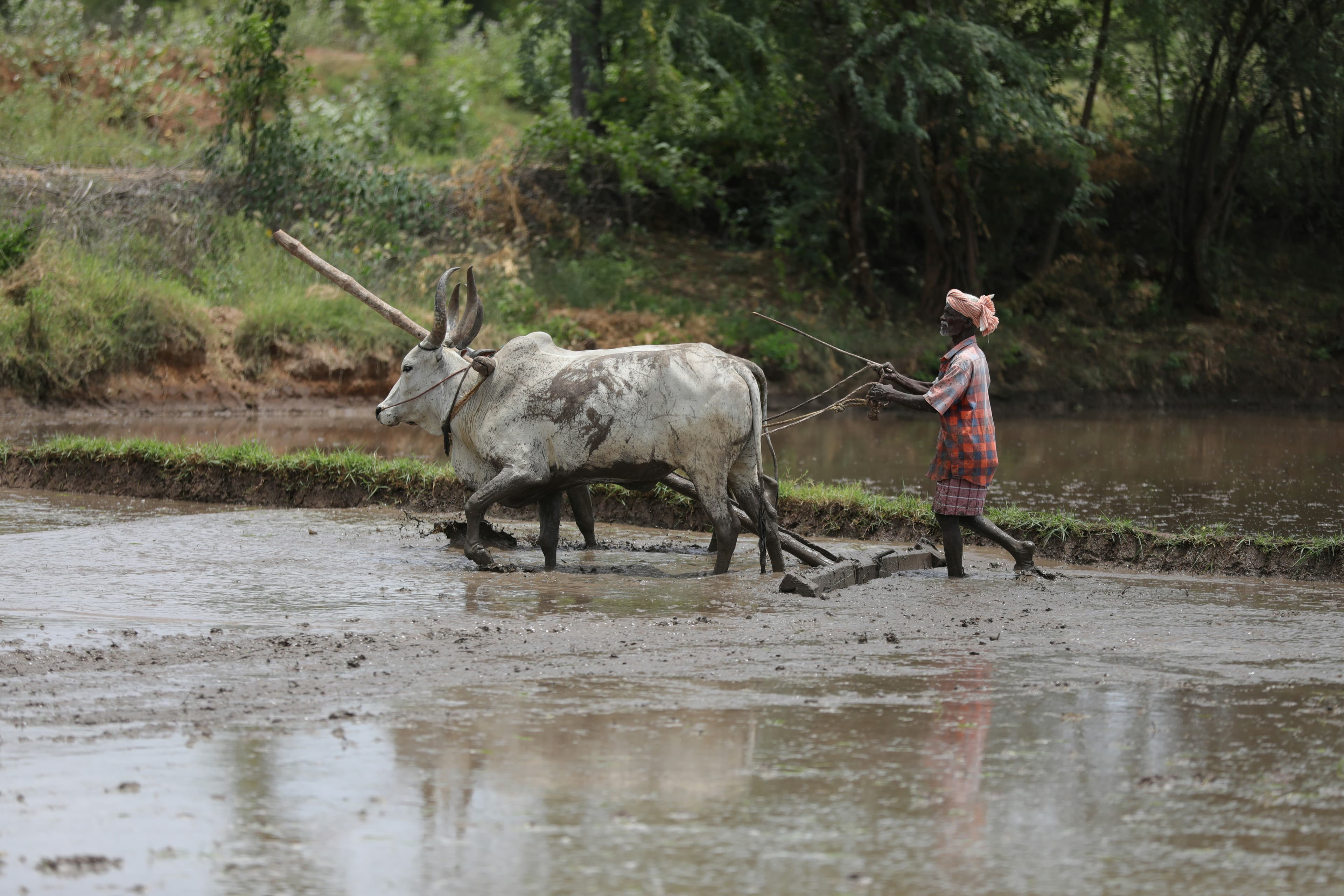
Livestock waste — particularly from UP's large cattle population — produces methane and ammonia that contribute to secondary PM2.5 formation. The program promotes biogas digesters, composting systems, and waste-to-energy solutions.
These interventions convert waste into useful byproducts — clean cooking fuel from biogas, organic fertilizer from composting — while simultaneously reducing emissions and improving farm economics.
Partners & Collaborators