Clean Cooking
Led by: UPCAMPA Program
in collaboration with World Bank, UPSRLM, Self-Help Groups
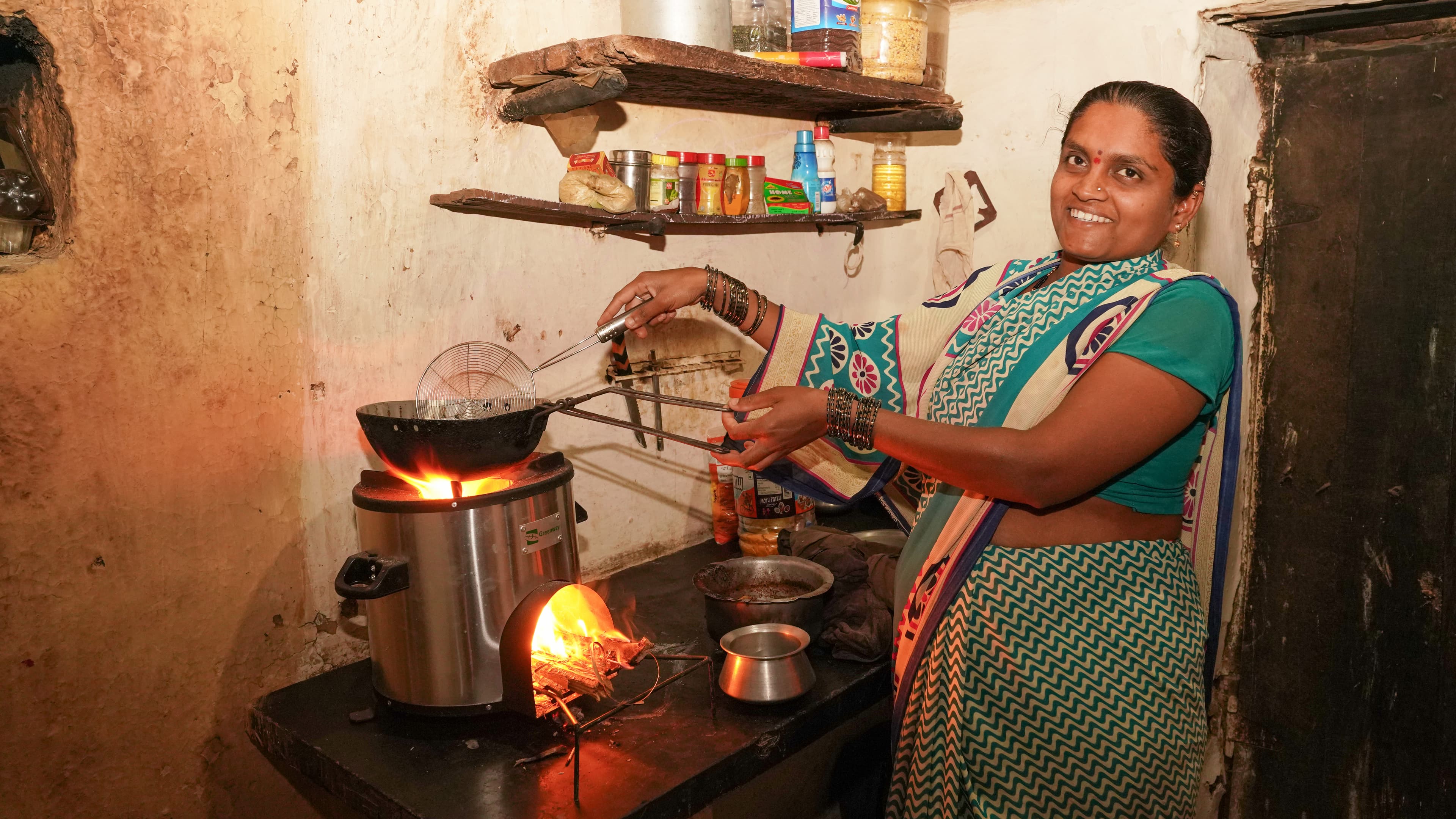
Transitioning 3.9 million households from traditional biomass burning to clean cooking technologies — electric induction, solar-battery hybrid, biogas, and improved biomass cookstoves — delivering transformative health, gender, and environmental co-benefits.
Clean Cooking
31% of PM2.5 in the Indo-Gangetic Plain originates from household cooking, making this the single largest source of air pollution. UPCAMPA targets 3.9 million households for transition from traditional biomass burning to clean cooking technologies — delivering transformative health, gender, and environmental co-benefits.
Through a combination of subsidized technology deployment, SHG-based distribution, and community awareness, the program addresses both immediate health impacts and systemic air quality degradation from residential cooking.
Residential Cooking: A Major PM2.5 Source
Traditional biomass burning — firewood, crop residue, and dung cakes — is the dominant cooking fuel for millions of households in Uttar Pradesh. This produces dangerous levels of indoor air pollution, with women and children bearing the greatest health burden.
Transitioning to clean cooking technologies can reduce household PM2.5 exposure by over 80%, while saving women 4-5 hours per week previously spent collecting fuel. The clean cooking opportunity represents one of the highest-impact interventions available.
3.9 Million Household Transition
UPCAMPA targets clean cooking technology deployment across 3.9 million households, with prioritization for rural and low-income urban populations in air quality non-attainment regions. Distribution leverages UPSRLM and Self-Help Groups for trust-based, last-mile delivery.
Four technology options are offered — electric induction cookstoves, solar-battery hybrid cookers, biogas digesters, and improved biomass stoves — tailored to each household's circumstances, income, and local availability. Government subsidizes 50-75% of stove cost based on household income.
Household technology assignment is based on income level, electricity availability, rural vs. urban location, livestock ownership, cooking patterns, and geographic sunshine/biomass availability.
Gender & Health Outcomes
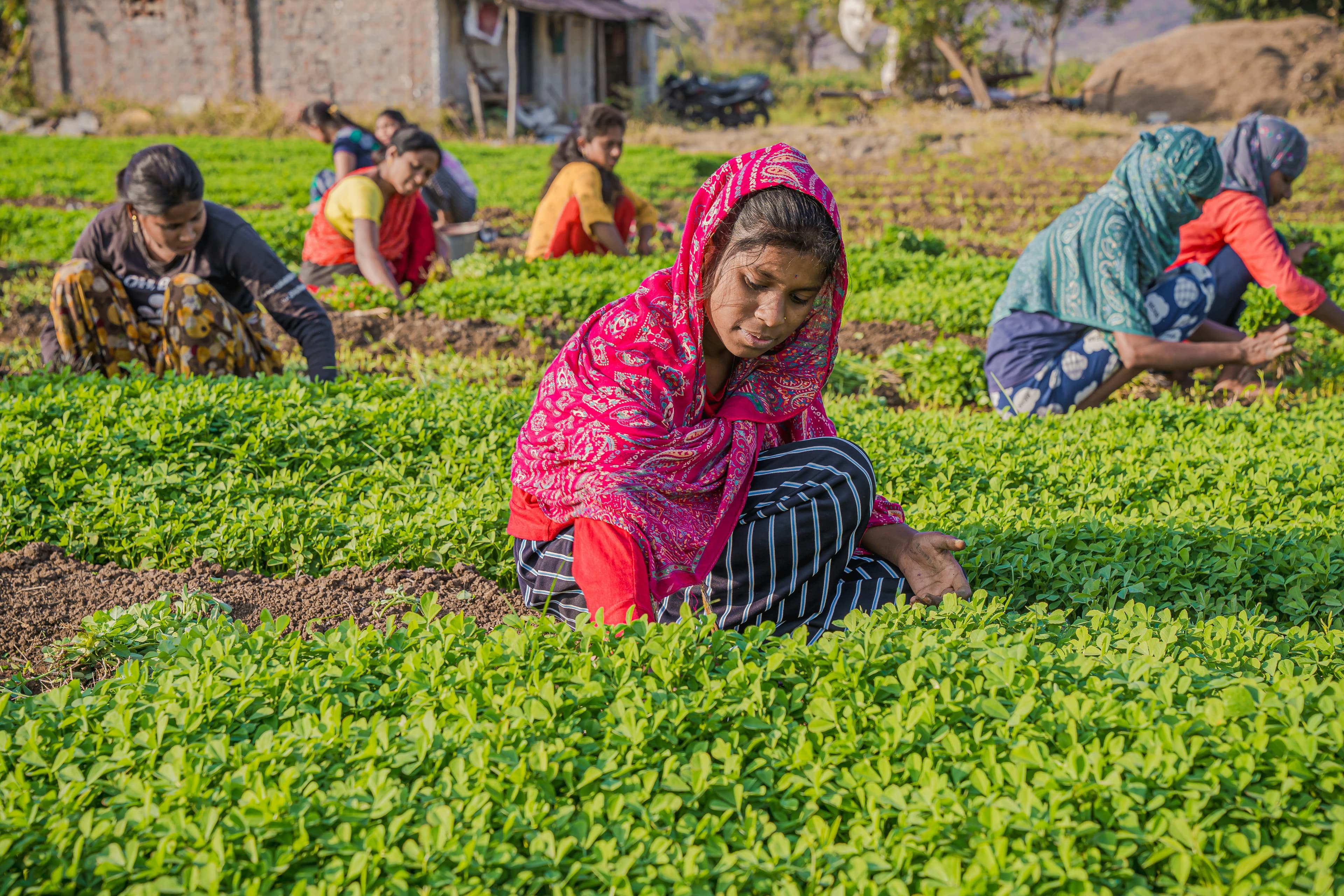
Clean cooking delivers transformative co-benefits beyond air quality. Women save 4-5 hours weekly from fuel collection, gain economic opportunities through SHG management, and experience dramatically reduced health risks from smoke exposure. Children benefit from reduced respiratory illness and better developmental outcomes.
The program prevents an estimated 50,000+ premature deaths from respiratory and cardiovascular diseases over its implementation period. Expected adoption rate is 85-90% of installed stoves remaining in active use after 3 years, sustained by trust-based distribution through existing SHG networks.
Partners & Collaborators